
Cultural Experience Workshop Journey into Japan: A Workshop of Cultural Discovery

We will be holding monthly workshops where you can create your own unique art piece, with themes based on Japanese culture and seasonal events.
Through these workshops, we hope you can experience the beauty and depth of Japan's rich culture and artistic heritage.
Event Schedule
[November] “Shichi-Go-San”
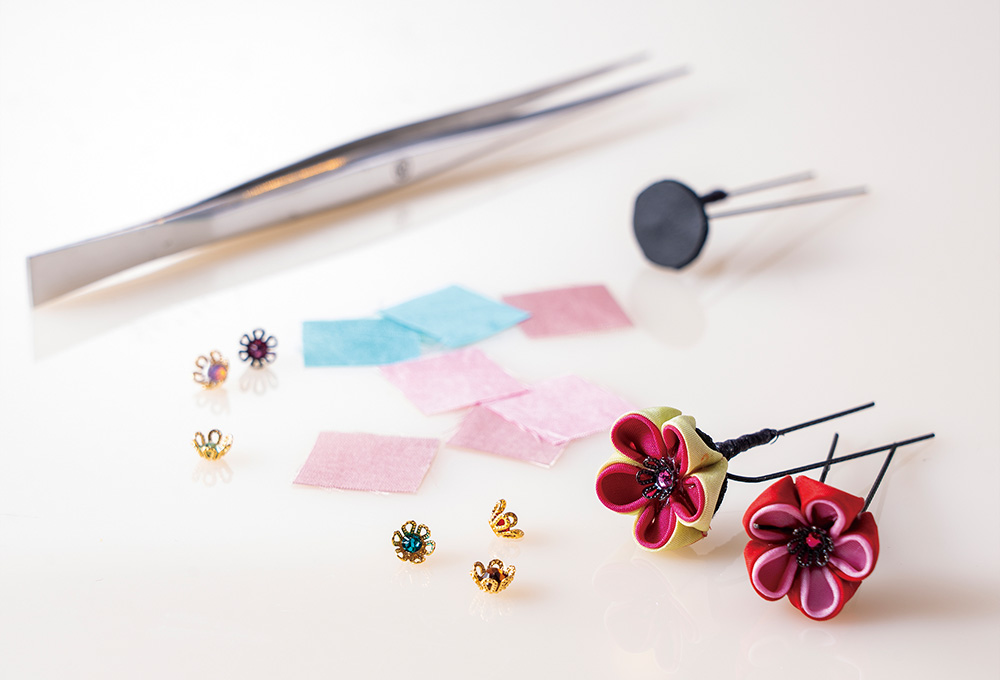
Making “Tsumami-zaiku Kanzashi” Ornamental Hairpins
Shichi-Go-San (literally “Seven-Five-Three”) is a traditional Japanese festival held in November to celebrate the growth of children at the ages of three, five, and seven. The origins of this festival date back to the Heian period. It is said that the festival began when Tokugawa Tsunayoshi, a shogun in the Edo period, visited a shrine to pray for the health and growth of his son during a time when many children succumbed to illness at a young age. In this workshop, participants will create tsumami kanzashi, traditional hair ornaments made from folded cloth, which are worn with the special kimono attire for Shichi-Go-San. By folding each petal individually to form a flower, participants will gain an appreciation for the beauty of Japanese craftsmanship and the heartfelt wishes of families watching over their children’s growth.
Artwork Image
| Date: | Sun, November 22, 2026 and Mon, holiday, November 23, 2026, 10:00 a.m. – 4:00 p.m. |
|---|---|
| Instructor: | Noriko Yamamura |
| Participation Fee: | 2,000 JPY (tax included) |
| Duration: | Scheduled for 1 hour |
| Venue: | Main Tower3F / Lobby |
| Capacity: | 12 peoples per day *Up to 4 peoples can experience it at the same time. |
| Contents: | Experience the traditional Japanese craft, tsumami kanzashi, by folding small pieces of fabric to create delicate flower petals. Choose your favorite fabric and flower base to create a unique kanzashi ornament, perfect for celebrating the Shichi-Go-San milestone. |
[December]
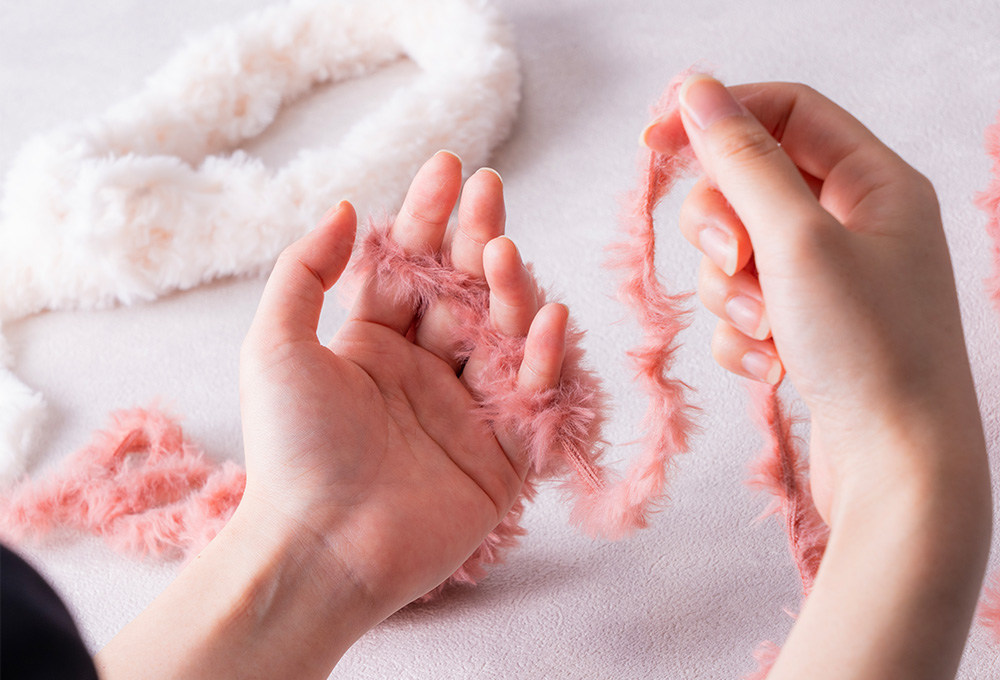
“Winter Solstice” Preparing for Winter with Finger-knitting
The winter solstice is the day with the shortest daylight and longest night of the year. During this cold season, Japanese people have passed down wisdom to help warm the body and endure winter, such as eating pumpkin and taking a yuzu citrus bath. In this workshop, we will focus on the theme of “warming” and experience finger knitting, a technique of knitting with just your fingertips without any tools. As you knit each stitch, you will create a piece that gently wraps around your wrist or neck, allowing you to feel the warmth of handmade crafts and the essence of winter.
Artwork Image
| Date: | Mon, December 14, 2026 and Tue, December 15th, 2026 10:00 a.m. – 4:00 p.m. |
|---|---|
| Instructor: | Sachiko Inoue, Japan Knitting & Handicraft Association |
| Participation Fee: | 2,000 JPY (tax included) |
| Duration: | 30 minutes to 1 hour (estimated) |
| Venue: | Main Tower3F / Lobby |
| Capacity: | 10 peoples per day |
| Contents: | Using your own fingers, you will knit a piece that you can wrap around your wrist or neck to keep warm. |
Past Events
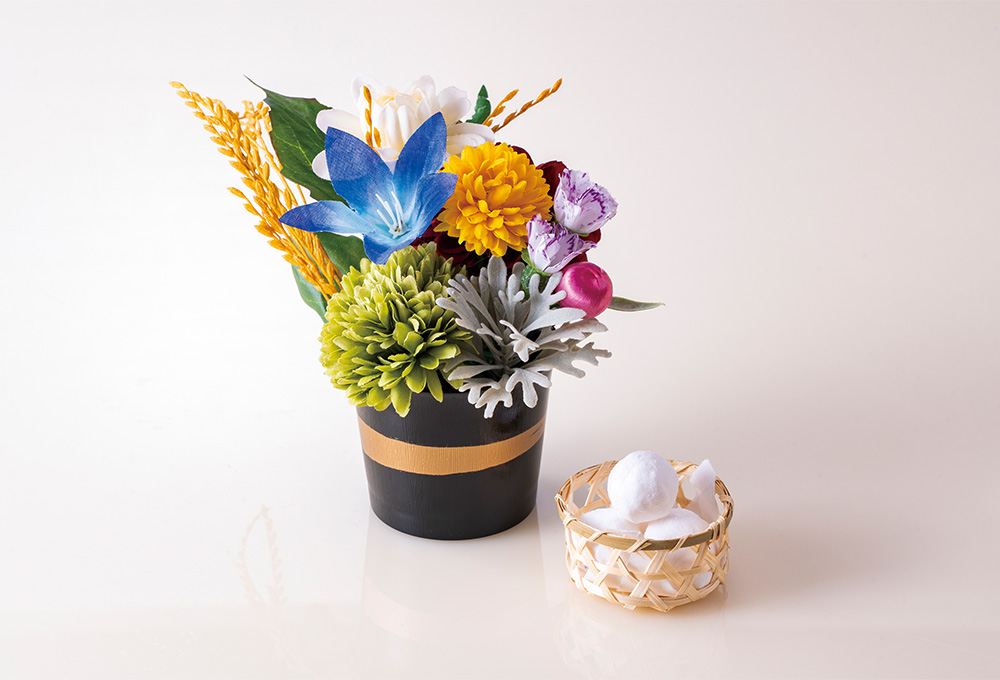
「十五夜」
秋の草花を用いた
アレンジメント作り
Artwork Image
In Japan, there has been a long-standing tradition of admiring the moon. Among these, the Mid-Autumn Moon (Harvest Moon) was introduced from China during the Heian period. People would offer the year’s harvest and moon-viewing dumplings (tsukimi dango) to the moon, expressing gratitude and praying for a bountiful harvest. This tradition has since evolved and flourished. In this workshop, you can create a unique Japanese moon-viewing scene and reflect on this beautiful culture. Since the materials used are artificial flowers, you can enjoy your creation for a long time, and even take it home if you are visiting from overseas.
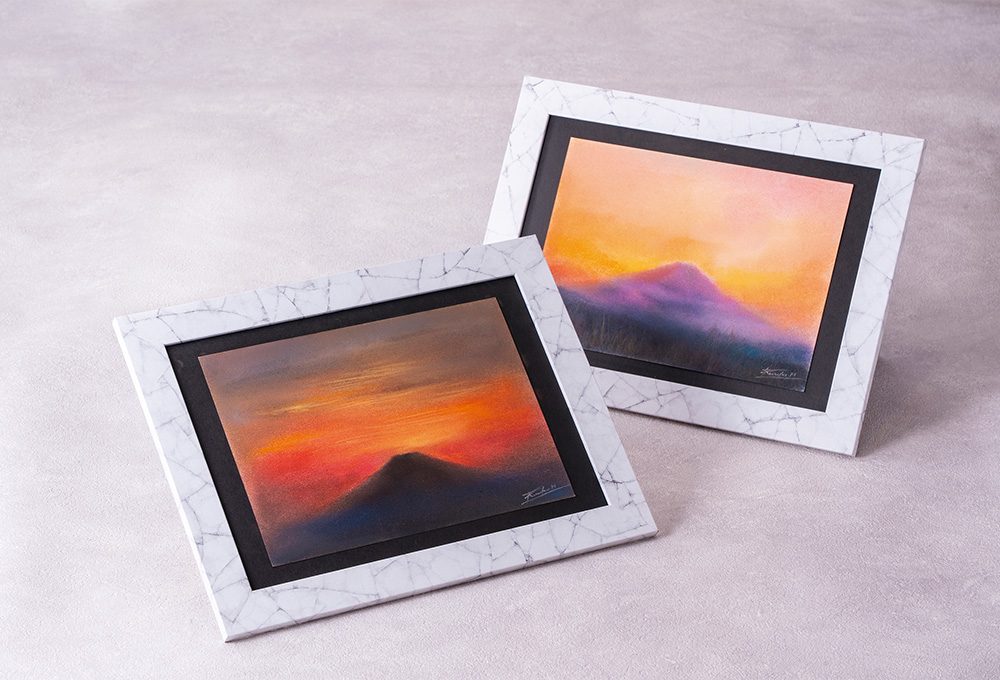
「錦秋の空」
日本の色作り
Artwork Image
This pastel art workshop focuses on the delicate color sense and unique atmosphere of Japan, a country with four distinct seasons. Pastel art originated from the three-color chalks of the European Renaissance period and developed further in 18th century France. Since then, Japan has conducted its own research and developed unique expressions in pastel art, utilizing the differences in climate and light. In Japan's humid climate, the light is softly scattered by the mist and moisture in the air, creating a rich and slightly darker color palette. In this workshop, we will use the beautiful Mt. Fuji skyline as our subject, capturing the transition from dusk to night, the subtle hints of autumn, and the unique atmosphere of Japan's humid air through the soft layering of pastel colors. The completed artwork will be framed, allowing you to take home a memorable piece of your journey.
“Because it's Japan”
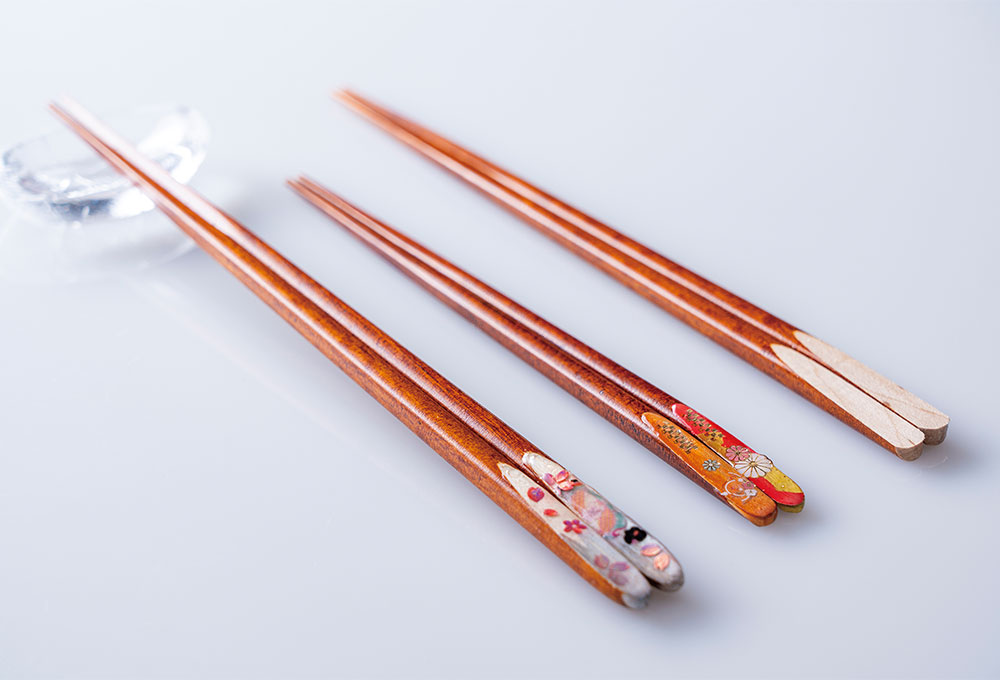
Chopstick decorating experience
Artwork Image
August 4th is Chopsticks Day. It is a day to offer gratitude and hold a memorial service for chopsticks, which we use almost every day without much thought. About 30% of the world's population use chopsticks, but it is in Japan where the culture of cherishing chopsticks and putting intricate craftsmanship into their details has truly flourished. Additionally, since chopsticks come in pairs, they have many uses, and there are also manners and taboos associated with them. These are taught from a young age and have become deeply ingrained in Japanese food culture. Through this workshop, we hope you can experience a part of Japanese culture through the lens of chopsticks.
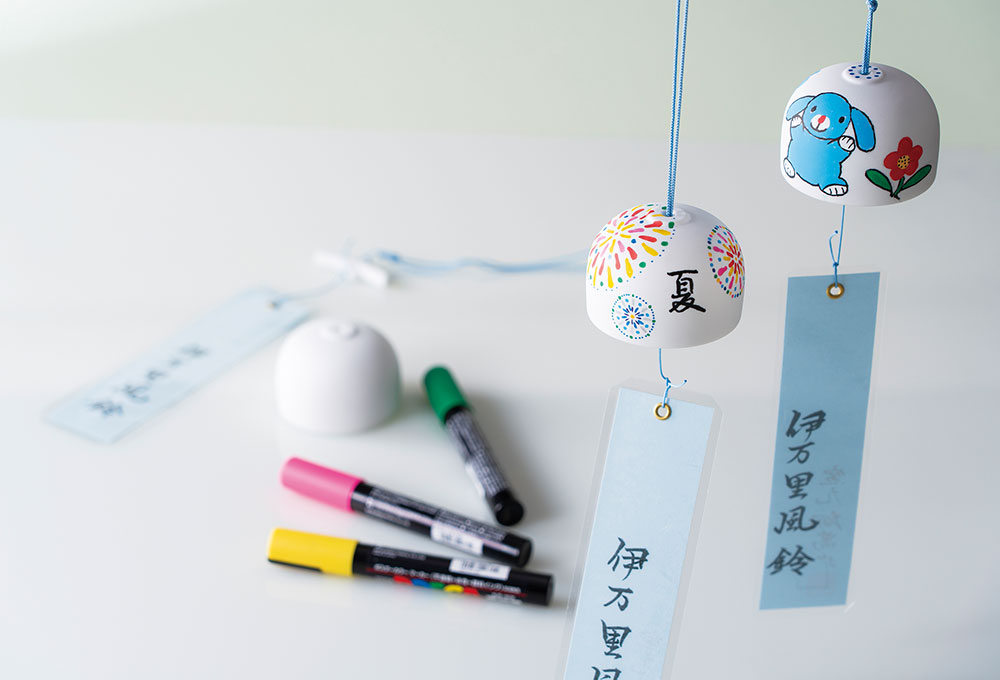
“Auspicious Sounds of Summer” Wind Chime Painting
Artwork Image
Wind chimes originated as religious tools in ancient China and were introduced to Japan along with Buddhism. Since ancient times, the sound of wind chimes has been believed to ward off evil spirits. From the Edo period to the present day, they have become a cherished part of Japanese culture, often described as “a stylish summer tradition that brings coolness through the sound of the wind.” The Japanese have cultivated a refined aesthetic, listening intently to the sound of wind chimes and connecting with one another through it.
This year, we will be painting Imari porcelain wind chimes, which are known for their beautiful, high-pitched tones. We hope that the soothing sound of these wind chimes will help you relax during the hot summer, and perhaps even inspire you to reflect on the hearts and minds of the Japanese people from long ago.
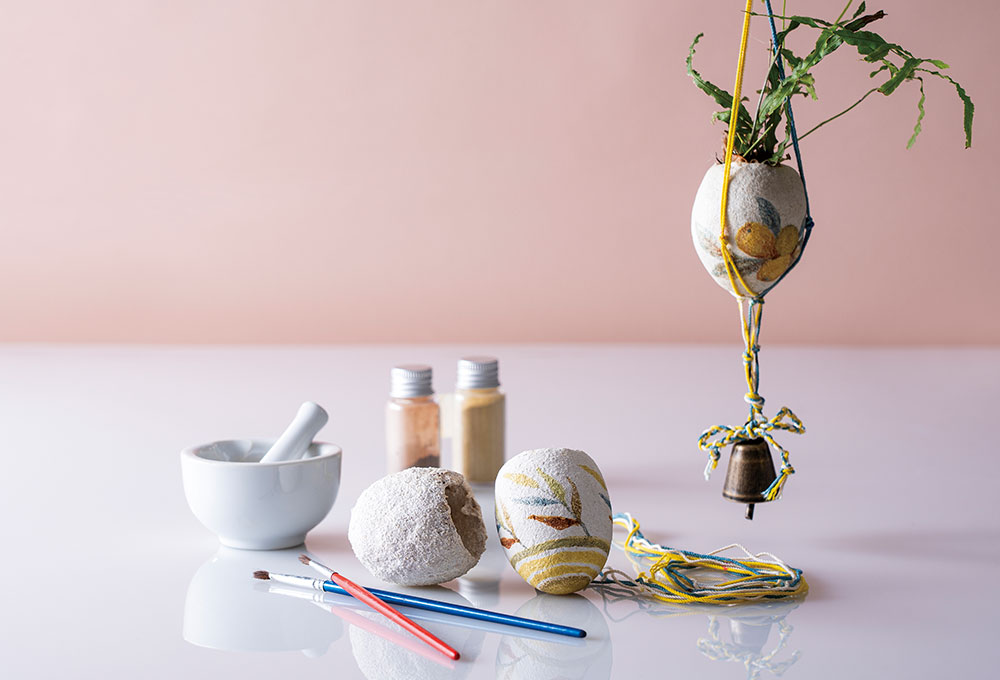
“A Little Piece of Cool”
Hanging Shinobu Fern
Artwork Image
To beat the summer heat, Japanese people have been hanging “Tsuri Shinobu” (hanging ferns) from their eaves to create a cool atmosphere and enjoy the essence of summer. Tsuri Shinobu is a type of fern called “Shinobu” that is wrapped around a moss ball and has been cherished as a seasonal tradition since the Edo period.
This time, we have combined Japanese and Western culture by using a classical Western fresco technique (painting on wet plaster) on the container part of the Tsuri Shinobu, creating a fusion of spirits and a modern-day ambiance.
“Tango no Sekku” (Japanese Boys’ Festival)
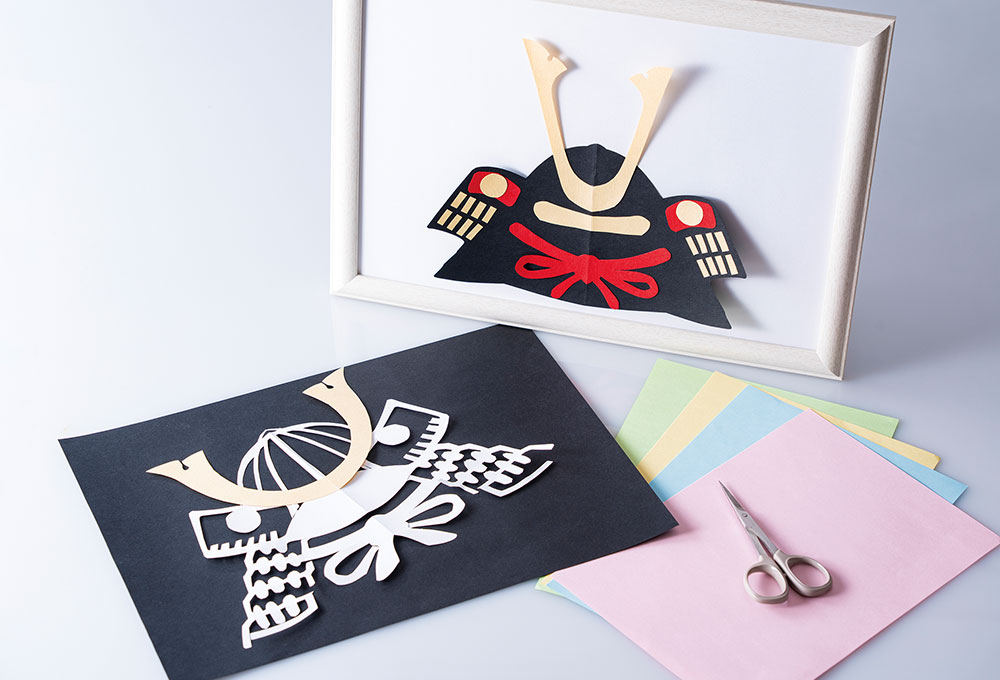
Making Samurai Helmets from Paper
Artwork Image
Kamisuki (paper cutting) is a unique Japanese art form where a single sheet of paper is cut into intricate designs using scissors. It has been cherished as a form of entertainment during intermissions at traditional Japanese comic storytelling (rakugo) performances.
In this workshop, we will create a paper-cutting kabuto (samurai helmet) in celebration of the Japanese traditional holiday, Tango no Sekku (Children's Day), which falls on May 5th. This holiday is one of the five seasonal festivals in Japan, where families display symbols such as carp streamers and kabuto to ward off evil spirits and celebrate the healthy growth of children. The kabuto holds special significance as it represents the hopes and prayers for the well-being and growth of boys, reflecting the deep-rooted Japanese appreciation for nature and life's milestones.
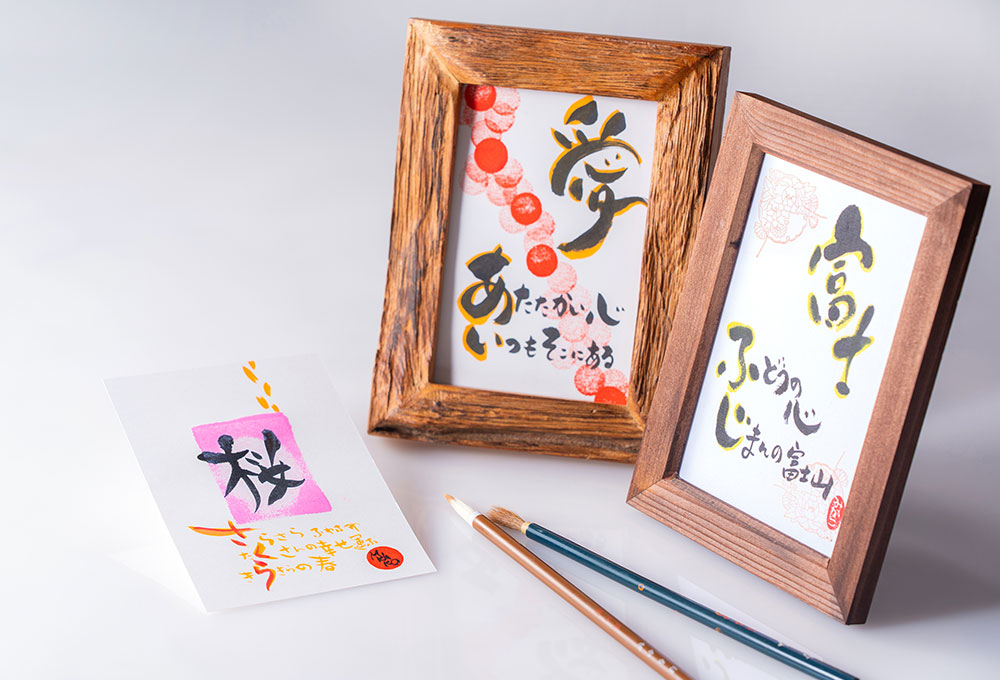
“Hanadayori” Acrostic Poem - Appreciating Cherry Blossoms
Artwork Image
Acrostic poems are a traditional Japanese wordplay. They weave a hidden message within the lines of a poem. The earliest known example appears in the Heian period’s “Ise Monogatari”.
The beauty of the Japanese language is expressed through these poems, conveying emotions, scenery, and the passage of time. No matter the country, as long as there are people with feelings, words will be born. We hope you can create a warm and heartfelt message, as you admire the cherry blossoms and feel the arrival of spring.
“Beautiful Celebrations”
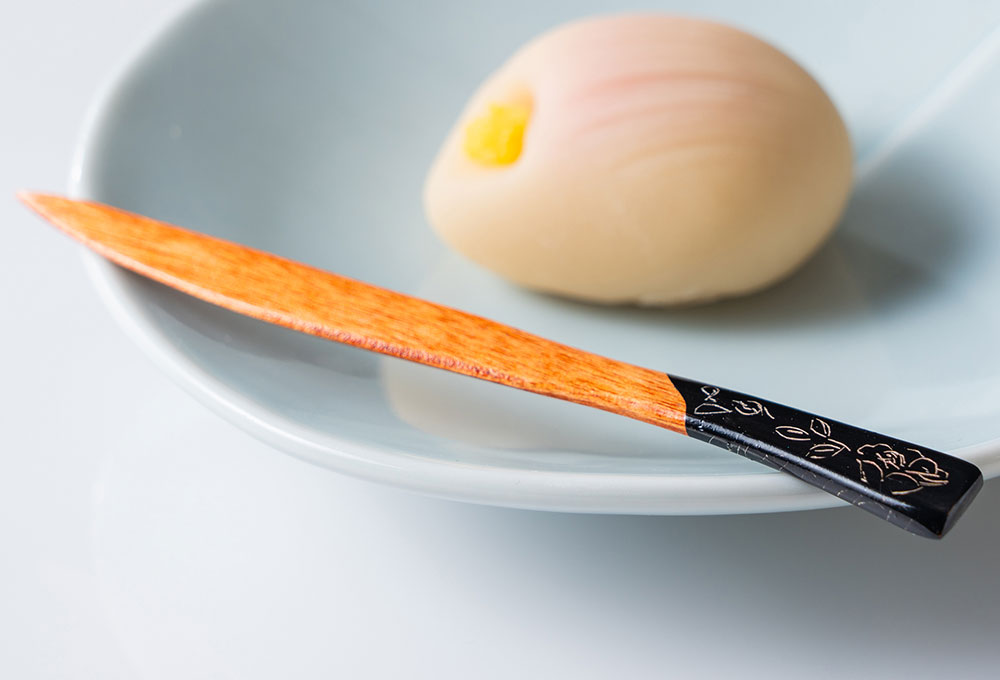
Decorative Craft, Shinkin (Gold & Maki-e Inlay)
Artwork Image
Japanese lacquerware that crossed the seas sparked an Oriental boom in Western Europe, and Japan was called "The Land of Lacquer." This happened in the 16th century, but in fact, the history of lacquerware in Japan spans over 9,000 years.
Among the various lacquer decorations such as Maki-e and Raden, this time, you will be challenged with the Shin-Kin technique. This technique involves carving lines and dots into the lacquer, then filling them with gold leaf or gold powder to create a strong, shining golden pattern. We will take everyday lacquerware and add a little extra design to make it suitable for special occasions.
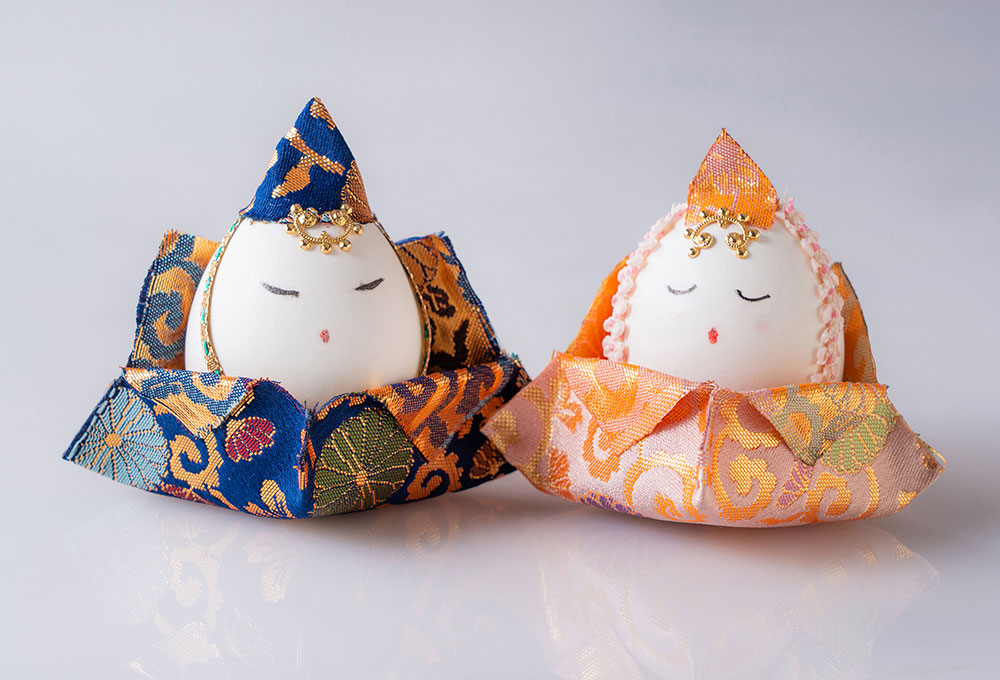
“Midwinter Imperial Couple”
Egg Art
Artwork Image
Egg art represents the beauty of the four seasons and traditional Japanese events through miniature eggs. It began in the 16th century during the Christian Easter, when people would gift painted eggshells. The “Imperial Eggs” of the Romanov dynasty in Russia are considered some of the most exquisite and luxurious egg art pieces in the world, adorned with jewels. This time, we bring you a fusion of Western culture and Japanese elegance. Through creating miniature egg art dolls, representing the Emperor and Empress, you can experience a heartwarming and unique artistic journey.
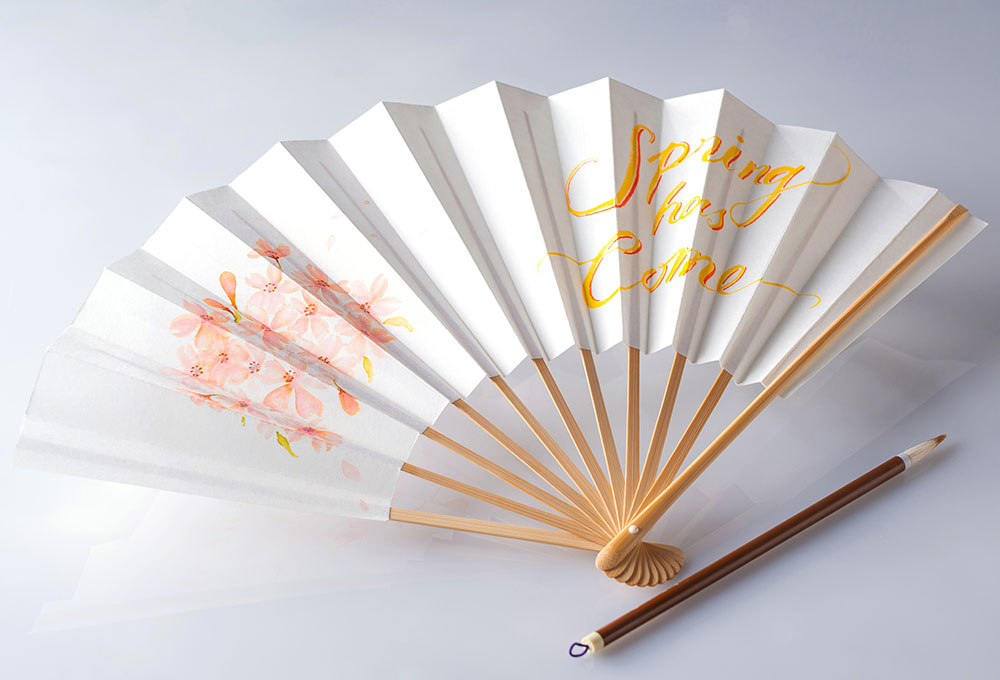
“Auspicious Expanding Wings”
Hand-painted Folding Fan
Artwork Image
The prototype of the folding fan, the uchiwa (rigid fan), was born in China and was introduced to Japan in the 7th century. The Japanese invented the folding fan, known as the “hiougi,” which is made by binding thin wooden strips together. Over time, the folding fan was used to compose and record poetry, and was highly valued by the samurai class, who regarded it as important as their swords. It was also used in celebratory ceremonies, tea ceremonies, and traditional performing arts. The common use of fans for cooling purposes by fanning oneself began in the late Edo period. The compact and foldable design of the folding fan has been highly praised worldwide, and it represents the collective wisdom, etiquette, and aesthetic sense of the Japanese people.
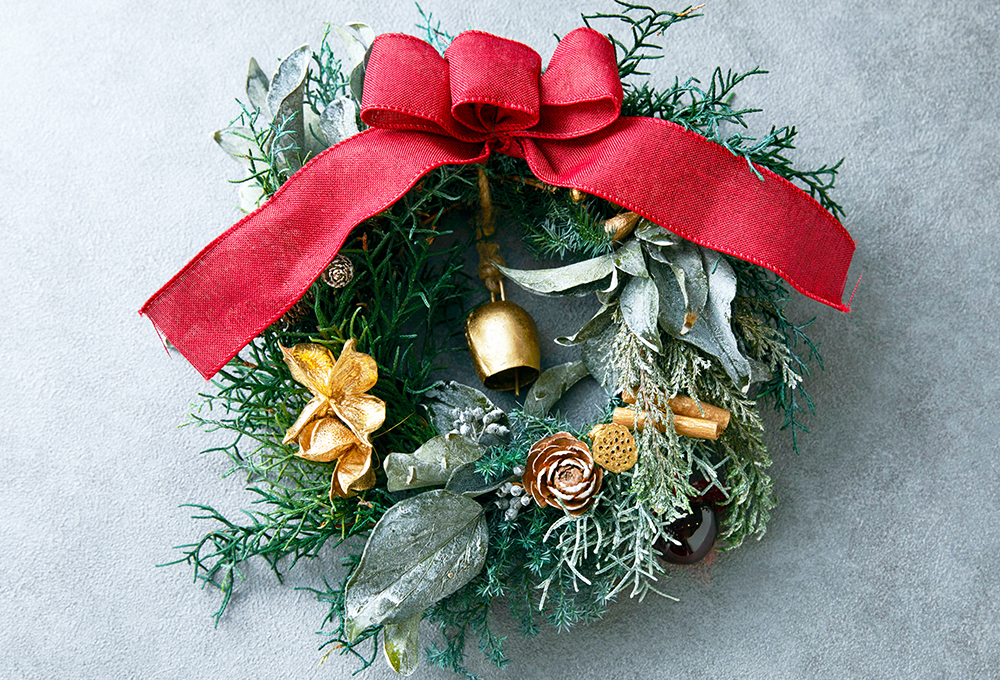
Handmade Christmas
Wreath Experience
Artwork Image
The first Christmas Mass in Japan was held during the Muromachi period. Over the years, Christmas has become a cherished celebration in Japan, a country with a rich tapestry of Buddhist and Shinto traditions. While the ways of celebrating vary across the world, one thing remains constant - Christmas is a special day to be spent with loved ones. As the streets are adorned with dazzling illuminations, Christmas wreaths, alongside Christmas trees, bring festive cheer to the season. These wreaths carry universal symbolism, such as eternal love and prayers for a bountiful harvest, much like the traditional decorations used during the Japanese New Year.
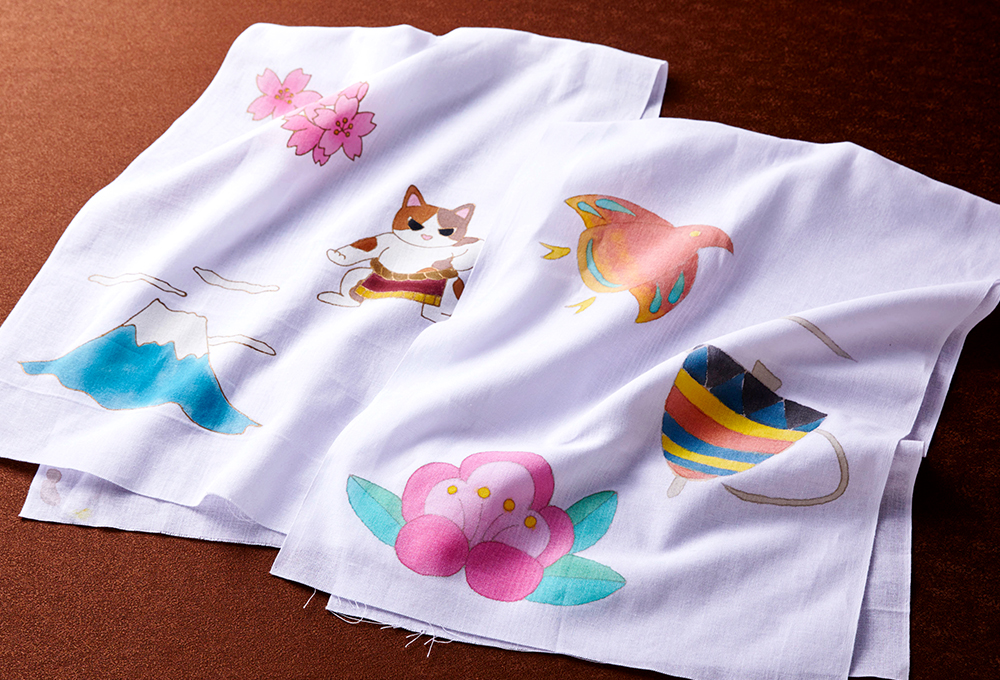
Discovering Autumn - Yuzen Dyeing Tenugui Experience
Artwork Image
The Japanese archipelago, surrounded by the sea on all sides and blessed with deep mountains, has greatly influenced the sensibilities of the Japanese people. Yuzen dyeing, a unique craft of Japan, is a technique that uses delicate brush strokes and rich colors to depict the changing seasons, natural landscapes, and plants on fabric. There are many motifs that represent the deepening of autumn, such as autumn leaves, autumn grasses, the moon, and migratory birds. Each motif requires intense focus and meticulous attention to detail, making the Yuzen dyeing experience a calming and centering activity that resonates with the quietness and depth of autumn.
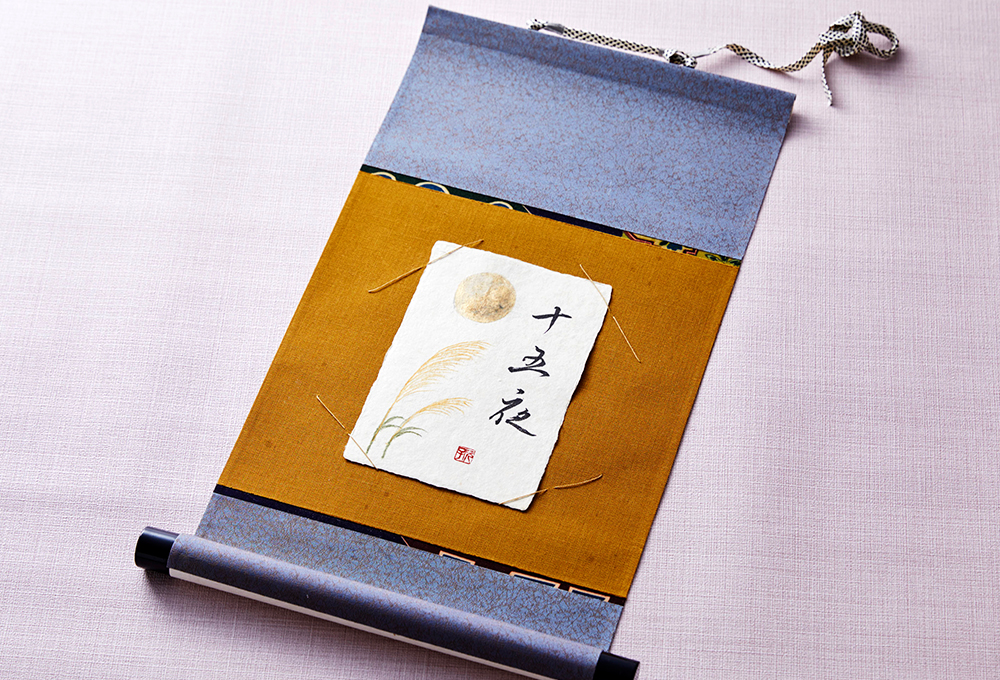
Decorate Your Home For Autumn -
Experience Hanging Mid-Autumn Moon Postcards
Artwork Image
Few cultures in the world love the moon as much as the Japanese. It was about 1,000 years ago during the Heian period that the custom of admiring the mid-autumn moon began. People would offer the year's harvest and moon-viewing dumplings as a way to give thanks and pray for a bountiful harvest. The art of traditional Japanese mounting, which started with the binding of Buddhist scriptures, was introduced to Japan from China along with Buddhism. Over the course of more than a thousand years, it has been refined through changes in lifestyle and architectural styles. We invite you to write your own postcard with a brush, and have it mounted in a traditional Japanese style that is unique to Japan. The mounted postcard can be rolled up like a scroll, making it compact and easy to take home.
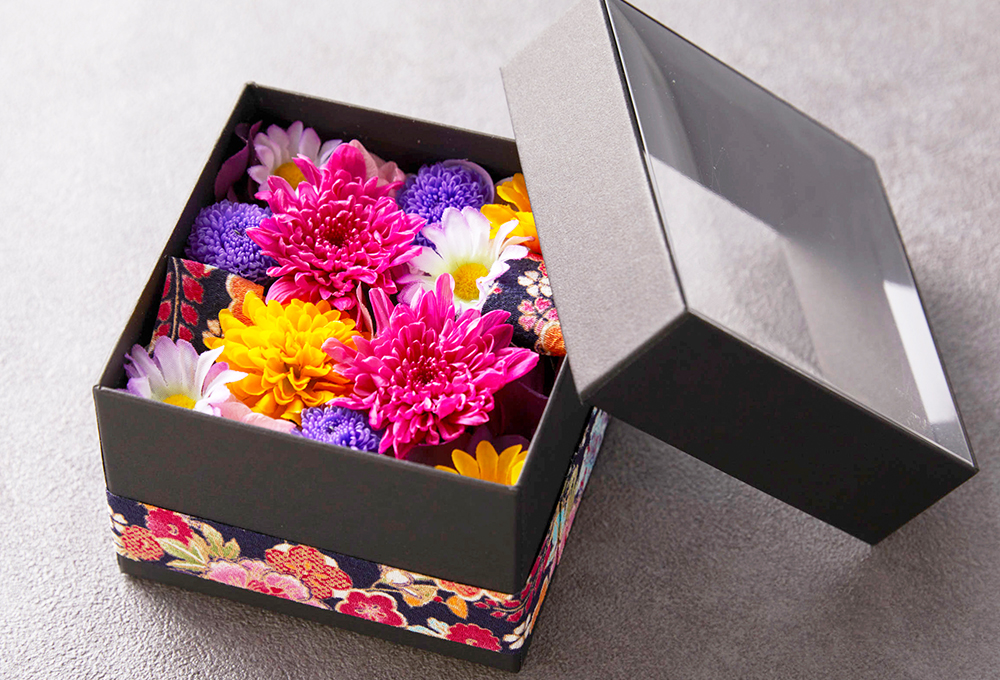
Chrysanthemum Festival Flower Box
Arrangement Experience
Artwork Image
It is said that the origins of Japanese seasonal festivals (sekku) vary, but they are derived from the Chinese philosophy of Yin and Yang and the Five Elements. When the month and day are the same odd number, and their sum is an even number, it is believed that Yang transitions into Yin, and events are held to ward off evil spirits. Among these, the festival on the ninth day of the ninth month, known as Choyo or the Chrysanthemum Festival, is a time to pray for longevity and good health. Since ancient times, chrysanthemums have been believed to have the power to ward off evil spirits and promote longevity. There were customs such as drinking chrysanthemum sake, which was infused with the fragrance of chrysanthemums, and purifying the body with chrysanthemum cotton. When you see chrysanthemum arrangements, please take a moment to think of the chrysanthemum viewing party held in the heart of Nara, Miyako.
Cultural Experience Concept
Japan has a wealth of culture and art that has been born and nurtured in close harmony with nature.
With a delicate sensibility that is moved by the scenery of each season and that allows one to feel the changing of the seasons through seasonal traditions,
Since ancient times, the Japanese people have revered the blessings of nature and have woven their culture with prayers and gratitude.
Furthermore, Japan does not simply imitate the diverse cultures brought in from overseas,
He has transformed these traditions into his own unique culture and seasonal customs by blending them with his own sensibilities.
This sense of Japanese identity is alive and well in contemporary art, which continues to evolve while harmonizing Japanese and Western styles, tradition and innovation.
This project provides an opportunity to experience and connect with "the culture of today" through the works of various artists.
You can enjoy this experience throughout the year, while feeling the rich four seasons of Japan and its connection to the world.
Contact Us
-
TEL.03-5322-8061 Direct line to event department
(Reception hours: 10:00 a.m. – 5:00 p.m.)